

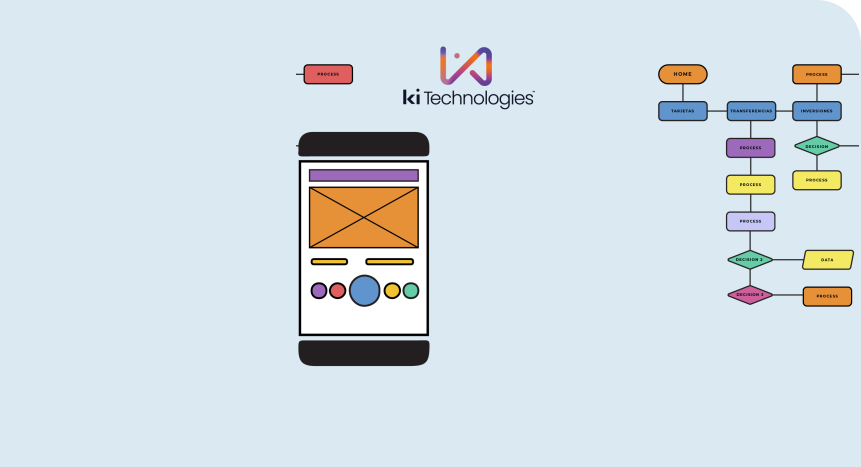
Information Architecture and Prototypes in UX
They are essential for creating effective, user-centered digital experiences. Information architecture focuses on organizing and structuring content in a way that allows users to navigate and find information easily. This involves understanding how users perceive and organize information, which allows for the design of clear and efficient navigation systems.
The tools and techniques used at this stage help visualize and optimize the flow of user interaction with the product. By creating visual representations and interactive models, it is possible to foresee how users will interact with the system and adjust elements to improve usability. Prototypes play a crucial role by allowing testing and refining the interface before the final development, ensuring that user expectations and needs are met.
Furthermore, it is important to consider guidelines and principles that ensure content consistency and accessibility. Detailed planning of content and its presentation, along with a well-defined design system, contribute to a more coherent and engaging user experience. The consideration of voice and tone also plays a significant role in how the message is communicated and how the product's identity is established.
In summary, strong information architecture and a meticulous approach to prototypes are key to creating intuitive and effective user experiences, ensuring that the design is functional, accessible, and aligned with both user and business goals.