

Netnography: A Close Look at the Digital World
Working as an anthropologist in the customer experience field at a technology company has allowed me to deeply appreciate netnography as a transformative tool. In a world where human interactions are increasingly moving to the digital space, this discipline becomes a gateway to understanding the behaviors, beliefs, and values of users. For me, netnography not only connects with the essence of anthropology, which is to understand the human experience, but also provides an innovative twist by bringing that understanding into the virtual world. This inspires me daily, as it allows us to capture nuances that other methods might overlook and use this richness to create strategies that genuinely resonate with people.
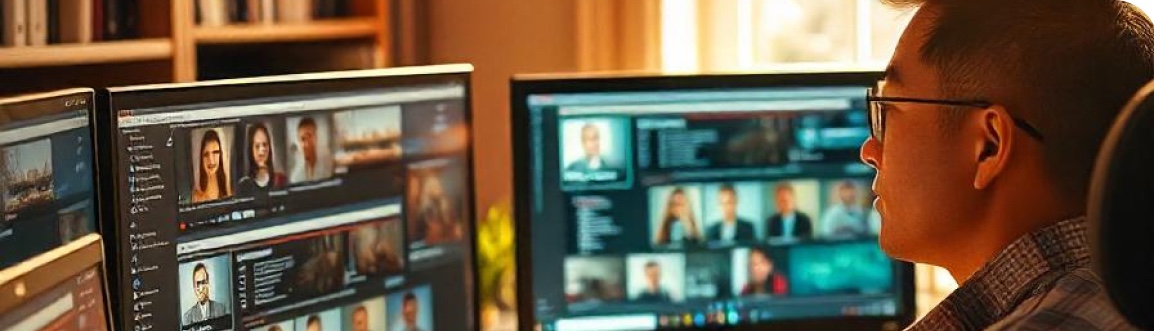
Diving into digital communities through netnography is like immersing oneself in a new ethnographic field, but with codes, languages, and dynamics unique to the virtual environment. Every conversation, every image, or every online reaction tells a story that speaks to the motivations and emotions of users. As a researcher, I am fascinated by how this method combines detailed observation with the in-depth analysis of qualitative data, providing us with a unique perspective on the cultural and social patterns that emerge in these spaces. Anthropology, with its ability to see the invisible and make sense of the everyday, merges here with technology to design more authentic and meaningful experiences.
In customer experience work, I have seen how netnography gives us the opportunity to connect with the deeper emotions and expectations of users. Analyzing what people express on social media, forums, or digital platforms reveals both what they love and what frustrates them. This process challenges us to design strategies and services that not only meet those needs but do so with empathy and understanding. In my experience, these practices not only improve brand perception but also build stronger, longer-lasting relationships with consumers, something I consider essential for any organization looking to make an impact.
What I value most about netnography is its ability to balance the ethics of anthropology with the power of technology. It is a constant reminder that, although we work with large volumes of data and advanced tools such as artificial intelligence, we must never lose sight of the people behind those numbers. As an anthropologist, I feel a deep commitment to ensuring that these studies respect the privacy and rights of users, while we explore new paths in the digital age. For me, netnography is not just a research method, it is an opportunity to humanize technology and create a bridge between the digital and the human.
Marcela Acero
Digital Anthropologist, Ki Technologies